Projects & Cases
Discover how painters, vocational schools and industrial companies optimize their water use and save costs with Trivec installations.Practical examples of sustainable results, proven in practice.
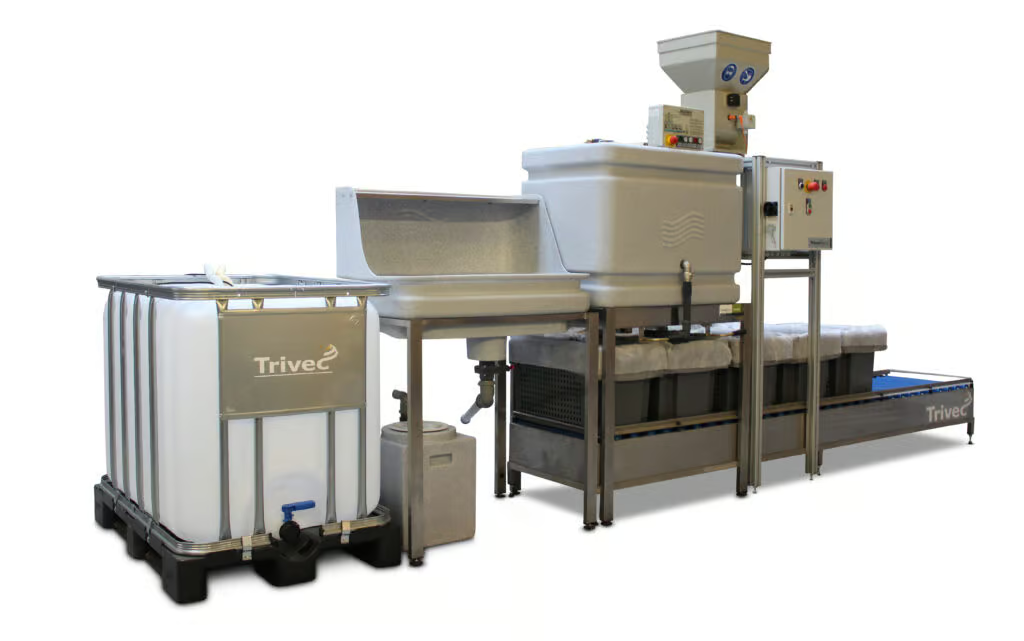
Van Vuuren Deuren produceert hoogwaardige deuren waarbij in de lijmstraat dagelijks afvalwater vrijkomt. Door toenemende volumes spoelwater ontstond behoefte aan uitbreiding van de bestaande vuilwaterverwerking. Om de continuïteit te waarborgen en het proces gebruiksvriendelijker en efficiënter in te richten, werd Trivec ingeschakeld voor een passende maatwerkoplossing.
Select sector
Select type of installation
Select problem area
Van Vuuren Deuren produceert hoogwaardige deuren waarbij in de lijmstraat dagelijks afvalwater vrijkomt. Door toenemende volumes spoelwater ontstond behoefte aan uitbreiding van de bestaande vuilwaterverwerking. Om de continuïteit te waarborgen en het proces gebruiksvriendelijker en efficiënter in te richten, werd Trivec ingeschakeld voor een passende maatwerkoplossing.
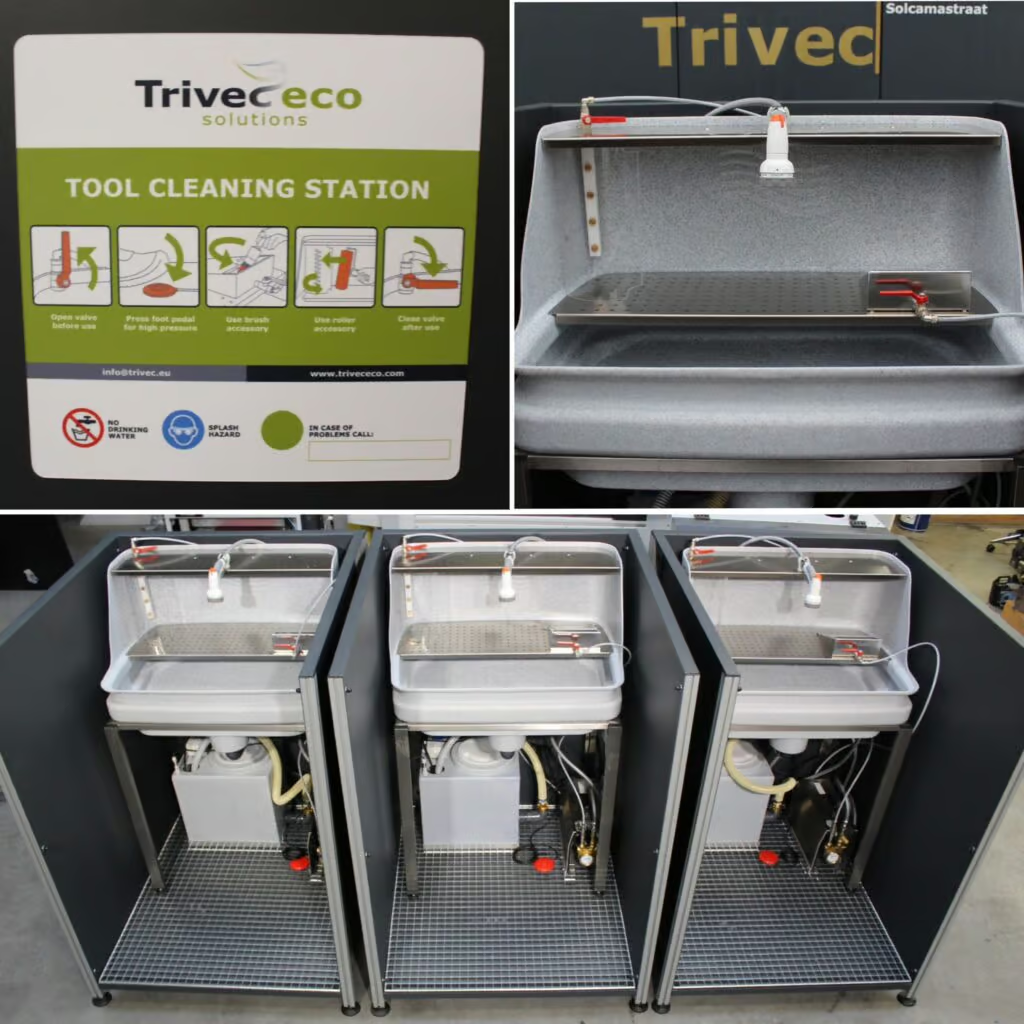
RAI Amsterdam, internationale evenementenlocatie, zocht naar een efficiënte en veilige oplossing voor het reinigen van schildersgereedschappen en de verwerking van vrijkomend afvalwater tijdens op- en afbouwperiodes. Om de haalbaarheid van verschillende inrichtingsopties te toetsen, werd besloten om samen met Trivec B.V. een praktijkgerichte pilot uit te voeren.
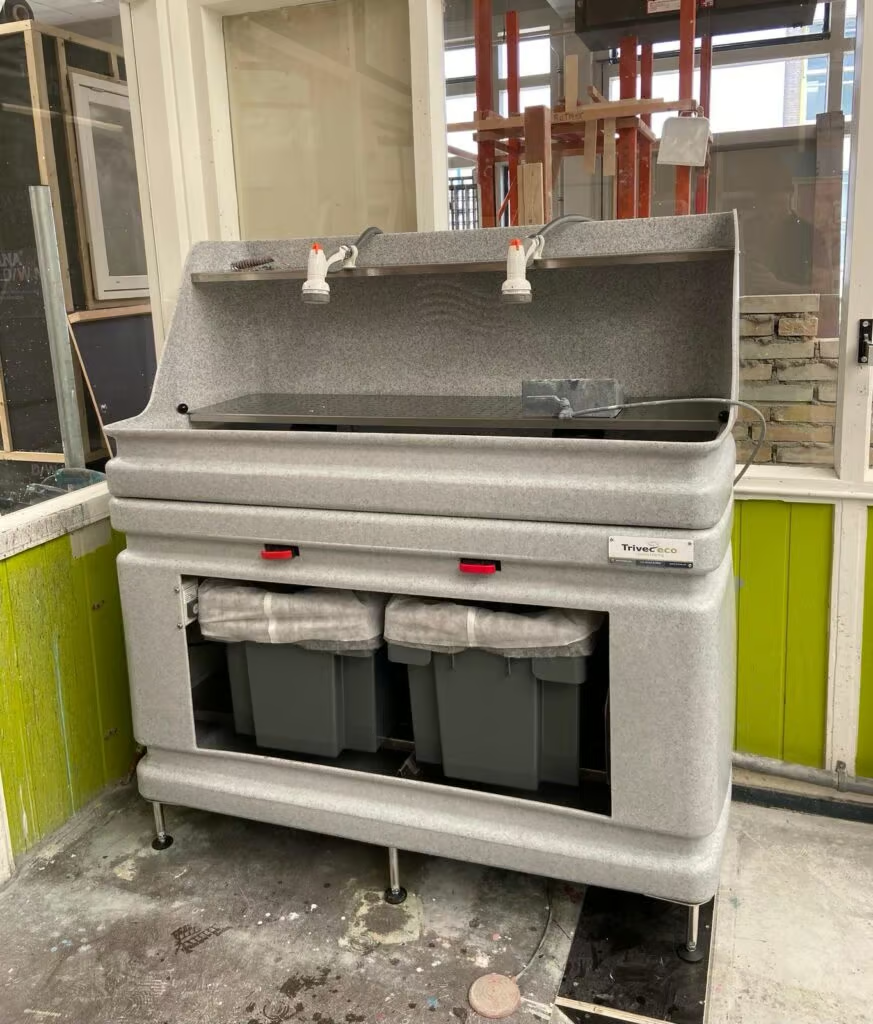
Dockinga College in Dokkum verzorgt de opleiding Bouwen, Wonen & Interieur (BWI). Tijdens de lessen worden dagelijks veel kwasten en minirollers gebruikt. Een goede reiniging van het gereedschap en een verantwoorde verwerking van spoelwater zijn daarom belangrijk. De bestaande spoelwaterinstallatie met een capaciteit van 50 liter werd echter te klein door de groei van het aantal leerlingen. Dockinga College vroeg Trivec om mee te denken over een oplossing die beter past bij de huidige praktijk en toekomstige groei.
Also saving on water and energy?
At Trivec, we combine experience with craftsmanship. We help you from advice to installation, ensuring that your system lasts for years. Honest, practical and sustainable.
FAQ
Frequently Asked Questions
Here you’ll find answers to the most common questions about our installations, use and maintenance.So you know exactly what to expect before you get started.
How often should I change the water in my rinse water system?
What types of materials can I clean in a rinse water plant?
In a rinse water plant, the water is not continuously replaced, but separated into clear water and sludge during each rinse. The purified water can be disposed of or reused for cleaning tools. How often you completely change the water depends on the use and degree of contamination.
How does separating paint and water work?
During the cleaning process, a coagulant is added to the rinse water. This causes paint particles to clump together to form flakes. These flakes settle and remain in the filter basket as sludge, while the clear water is filtered and discharged or reused.
How much maintenance does a flush water system need?
Maintenance of a rinse water plant is limited. In practice, this consists mainly of removing the dried sludge from the filter basket, checking the installation and topping up the coagulant in time. In normal operation, this is a simple and quick operation.
What companies is a flush water system suitable for?
Rinse water systems are used in workshops where water-based paint, varnish, glue or ink is handled. Think of painting companies, paint shops, interior builders, educational institutions and other workshops where tools are regularly cleaned.
Not sure which installation suits you?
Our experts are happy to think along with you. We help you choose what works best for your situation, both technically and practically.