Home > For whom > Trade schools

Easy and environmentally conscious cleaning of paint rollers and brushes

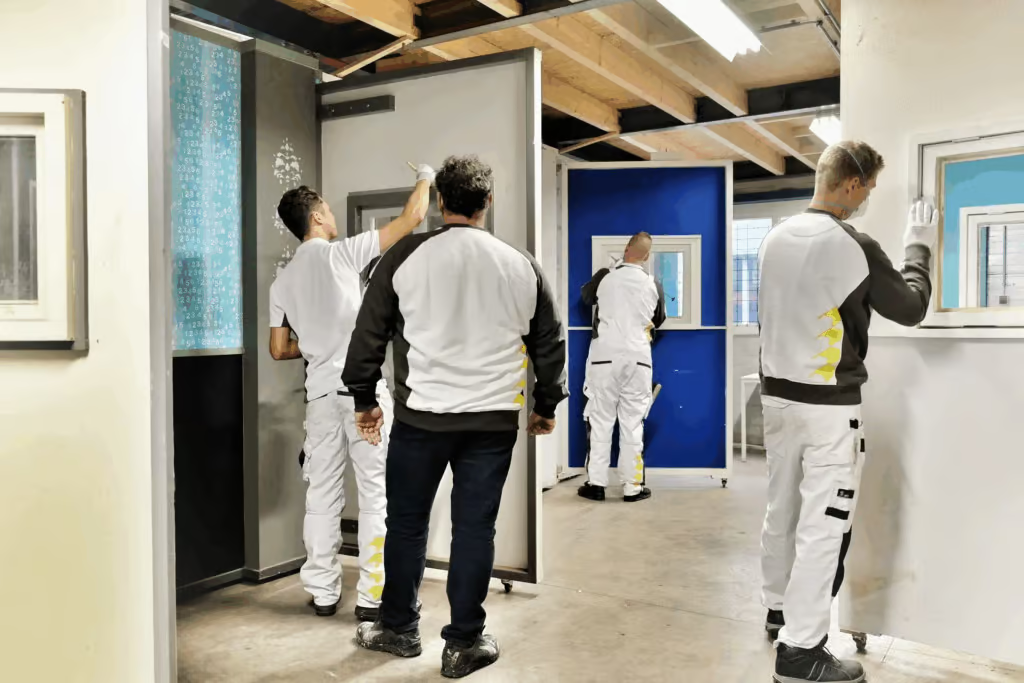
In vocational schools, students learn how work is supposed to be done in practice. That includes responsible handling of water and waste streams. With Trivec Eco’s rinse water systems, students learn to clean brushes, rollers and spray equipment without burdening the environment. This makes sustainable work a natural part of the lesson.

Advantages

Why vocational schools choose Trivec

Our rinse water systems make sustainable handling of rinse water a regular part of lessons. They are simple and safe to use, allowing students to work with them independently in the hands-on room.

No chemical waste and save in cost

Our systems purify and reuse water, so you avoid chemical waste and save disposal costs.

Personal advice and service

We help choose, install and maintain the right solution for your situation.

Smart installation, easy management

Strong materials, easy maintenance and parts that last – built for everyday use.

For vocational schools

About the Trivec eco flushing water system

Why do vocational schools use a rinse water system?

Cleaning brushes and rollers releases paint rinse water. You don’t want to dispose of that rinse water via the sink or the sewer system. With a Trivec Eco rinse water system, vocational schools process this rinse water in a responsible way, directly in the practice area and appropriate to the education.

What is the plant used for in practice?

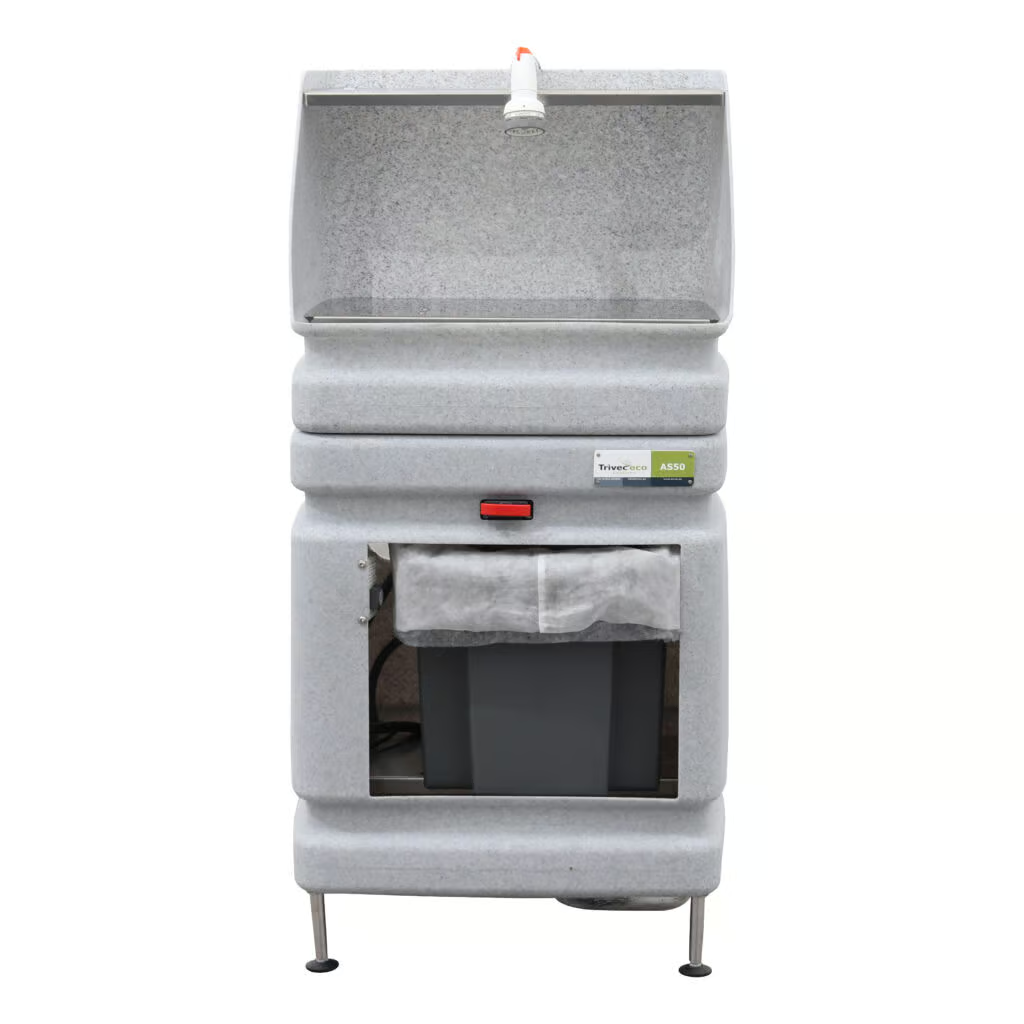
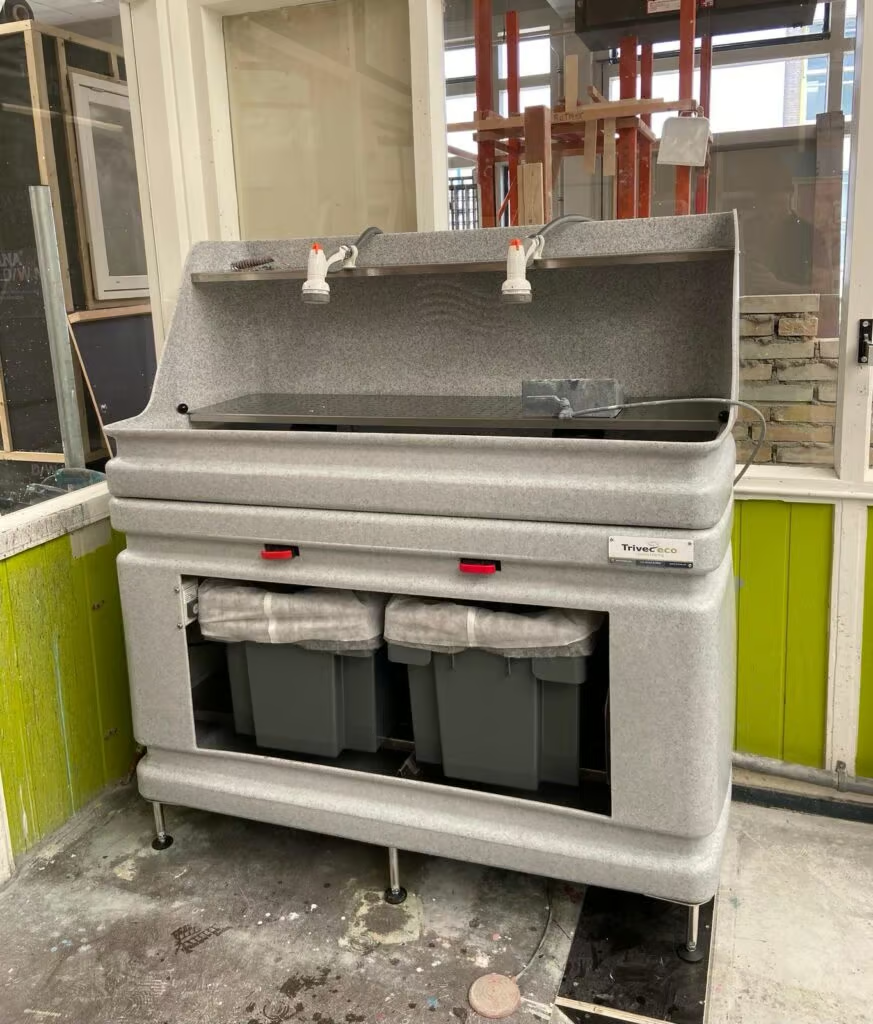
It is used for easy cleaning of brushes and rollers. Without spraying equipment and without complicated operations. The rinse water system is robust, uncluttered and easy to maintain so that the focus can remain on teaching and learning in practice.

Combination with flushing water systems
Approx. 4-6 kg (depending on version)
± 30 × 20 × 15 cm (L × W × H)
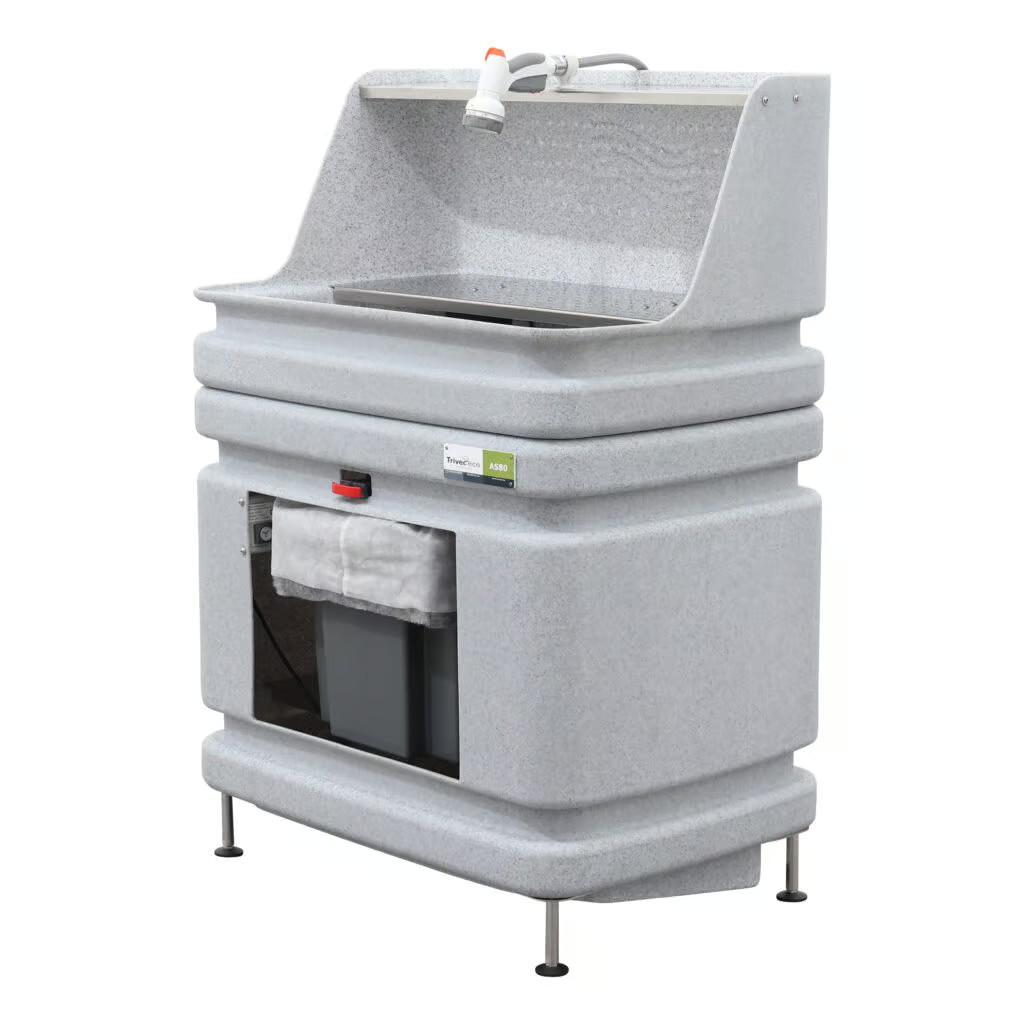
Capacity: ±400 L of rinse water per batch
Industrial, robust design daily use
Dimensions depending on arrangement
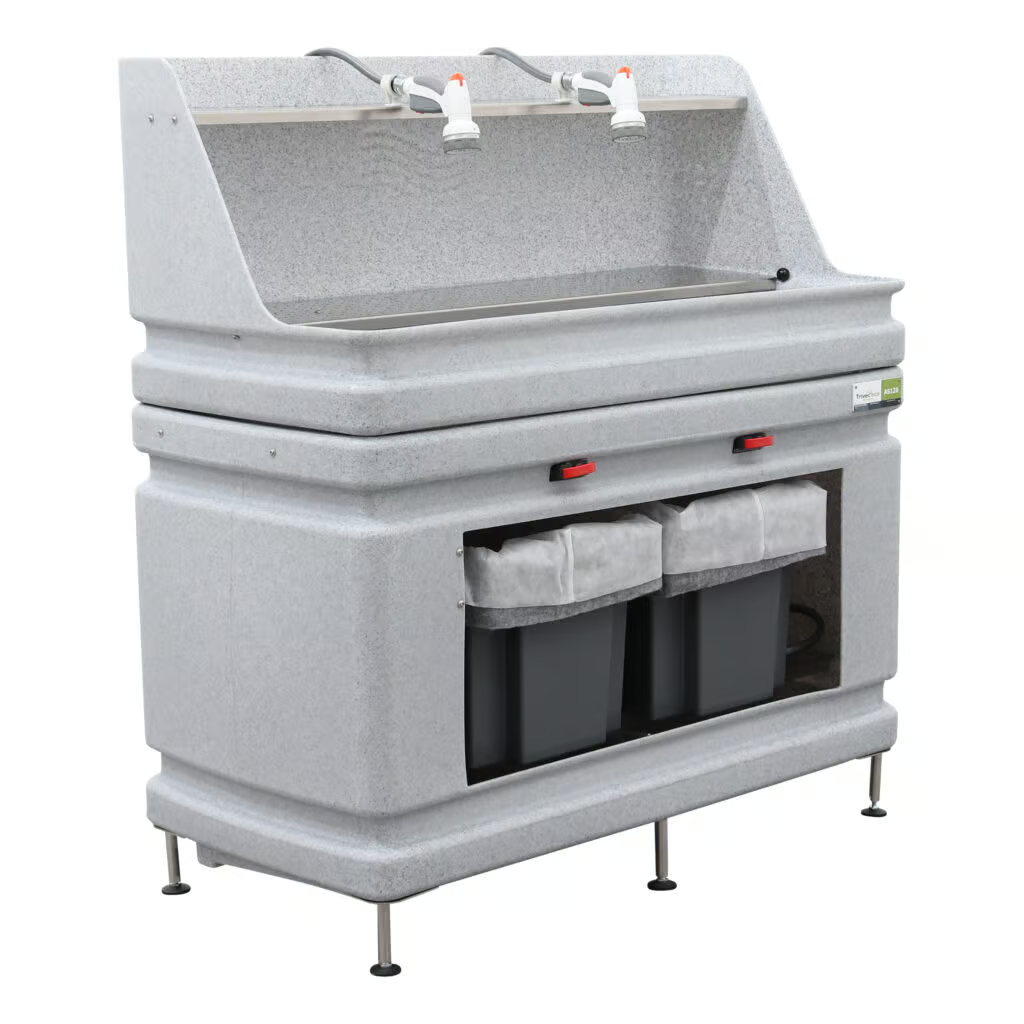
Capacity: ±800 L per batch
For continuous use
Dimensions depending on arrangement

Craftsmanship

Our recommended installations for painters

From self-employed painters to large companies, with our systems you flush responsibly, efficiently and with attention to the environment.

Video

This is how our solution for painters works

In this short video, we show how our plants collect, treat and reuse contaminated rinse water, step by step.

Dockinga College in Dokkum provides the Construction, Living & Interior (BWI) course. During the lessons, many brushes and mini rollers are used daily. Proper cleaning of tools and responsible processing of rinse water are therefore important. However, the existing rinse water installation with a capacity of 50 liters became too small due to the growth in the number of students. Dockinga College asked Trivec to help think of a solution that would better suit current practice and future growth.

Result

Experiences from education

Find out how vocational schools are using our rinse water systems to teach students to be aware of water, paint and waste streams as an integral part of their education.

FAQ

Frequently Asked Questions

Here you’ll find answers to the most common questions about our installations, use and maintenance.So you know exactly what to expect before you get started.

How often should I change the water in my rinse water system?
In a rinse water plant, the water is not continuously replaced, but separated into clear water and sludge during each rinse. The purified water can be disposed of or reused for cleaning tools. How often you completely change the water depends on the use and degree of contamination.
During the cleaning process, a coagulant is added to the rinse water. This causes paint particles to clump together to form flakes. These flakes settle and remain in the filter basket as sludge, while the clear water is filtered and discharged or reused.
Maintenance of a rinse water plant is limited. In practice, this consists mainly of removing the dried sludge from the filter basket, checking the installation and topping up the coagulant in time. In normal operation, this is a simple and quick operation.
Rinse water systems are used in workshops where water-based paint, varnish, glue or ink is handled. Think of painting companies, paint shops, interior builders, educational institutions and other workshops where tools are regularly cleaned.

Ready to use water sustainably?

Find out which system best suits your painting needs.

Contact form

Free advice

Whether you are a ZZP painter, run a trade school or work in the industry, we have a solution to suit you.

Contact form

Requesting a quote

Whether you are a ZZP painter, run a trade school or work in the industry, we have a solution to suit you.

Contact form

Question about Trivec Eco

Whether you are a ZZP painter, run a trade school or work in the industry, we have a solution to suit you.

Contact form

Free advice

Whether you are a ZZP painter, run a trade school or work in the industry, we have a solution to suit you.

Contact form

Requesting a quote

Whether you are a ZZP painter, run a trade school or work in the industry, we have a solution to suit you.

Contact form

Question about Trivec Eco

Whether you are a ZZP painter, run a trade school or work in the industry, we have a solution to suit you.

Contact form

Maintenance advice

Whether you are a ZZP painter, run a trade school or work in the industry, we have a solution to suit you.

Contact form

Contact

Whether you are a ZZP painter, run a trade school or work in the industry, we have a solution to suit you. Choose your situation